

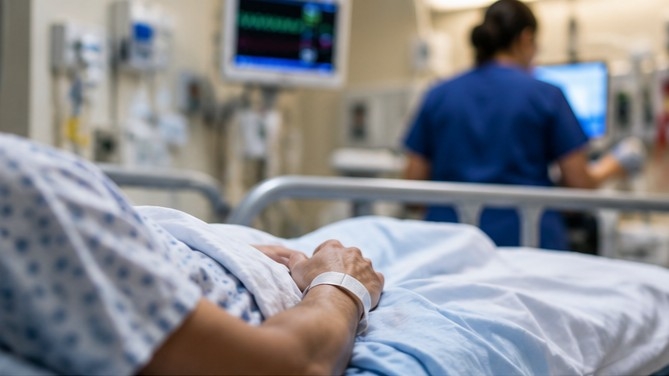
You went to the emergency room because something felt seriously wrong. A doctor examined you, tests may have been performed, and eventually you were told you could go home.
But instead of getting better, you got worse.
Maybe your pain became more severe. Maybe you developed new symptoms, returned to the hospital hours or days later, and learned that your condition was more serious than anyone initially realized. When that happens, it is reasonable to wonder whether you should have been sent home in the first place.
An emergency room discharge followed by a serious complication does not automatically mean medical malpractice occurred. The important question is whether the decision to discharge you was reasonable based on your condition and the information available to the healthcare providers at the time.
Does Getting Worse After an ER Visit Mean the Hospital Made a Mistake?
Not necessarily.
Emergency departments treat patients at many different stages of an illness or injury. Some conditions develop gradually, symptoms can change over time, and a serious problem is not always apparent during an initial evaluation.
A poor outcome alone therefore does not establish that an emergency room doctor, nurse, or hospital was negligent. New Jersey medical malpractice cases generally focus on whether the care provided met the applicable standard of care under the circumstances, not simply on the fact that the patient later experienced a bad result.
The timing still matters.
If you returned to the hospital shortly after discharge and were diagnosed with a serious condition, the question becomes what was happening during your original ER visit. Were there warning signs that called for additional evaluation? Was your condition changing while you were there? What did the medical team know before the decision was made to send you home?
Those questions help distinguish an unexpected progression of illness from a discharge decision that warrants closer review.
What Should an Emergency Room Consider Before Sending You Home?
There is no single checklist that determines whether every patient should be admitted, observed, or discharged. Emergency care depends on the individual patient's symptoms, examination, medical history, test findings, response to treatment, and other circumstances.
That is why evaluating whether a discharge was appropriate requires looking at the full clinical picture.
Depending on the situation, that review can include:
- The symptoms that brought you to the emergency room
- Your vital signs and whether they changed during the visit
- Findings from the physical examination
- Tests or imaging that were performed
- How you responded to medication or other treatment
- Whether a specialist or additional evaluation was needed
- Whether observation was considered appropriate
- What instructions you received before leaving
The fact that one of these factors existed does not automatically mean you should have been admitted to the hospital. The question is how the available information fit together and whether the discharge decision was consistent with appropriate medical care.
What Warning Signs Can Make an ER Discharge More Concerning?
For many patients, the most troubling part of the experience is realizing afterward that something already seemed wrong before they left the hospital.
Perhaps severe symptoms had not improved. Maybe pain was getting worse rather than better. Someone who was with you might remember telling the medical team that you seemed confused, unusually weak, short of breath, or unable to function normally.
Those details can matter, but they need to be considered in context.
For example, a malpractice review may examine whether providers appropriately responded to persistent or worsening symptoms, concerning examination findings, abnormal vital signs, or other clinical information available before discharge.
The issue is not whether the medical team should have predicted everything that happened afterward. Medicine involves uncertainty, and hindsight cannot turn every missed possibility into negligence.
The more useful question is: Given what the providers knew at the time, was it reasonable to conclude that you could safely leave the emergency department?
What If the ER Doctor Was Not Certain What Was Wrong?
Patients sometimes assume that an emergency room must identify a final diagnosis before allowing someone to go home. That is not always how emergency care works.
An ER evaluation may focus on identifying or ruling out immediate medical dangers without providing a definitive explanation for every symptom. In other situations, the medical team may determine that further evaluation can occur outside the hospital.
That uncertainty does not by itself make a discharge improper.
What matters is whether the evaluation and discharge plan were reasonable under the circumstances. If the diagnosis remained uncertain, questions can include whether serious conditions were appropriately considered, whether further testing or observation was indicated, and whether the patient received understandable instructions about follow-up and when to return for additional care.
This distinction is important because a malpractice case should not be based simply on comparing the first diagnosis with information discovered later. The focus remains on the quality of the medical decision when it was actually made.
Why Do ER Discharge Instructions Matter?
Leaving the emergency room does not always mean that a medical issue has been completely resolved.
Discharge instructions can help patients understand what to do next, including how to take prescribed medication, whether follow-up is needed, and which changes in their condition should prompt them to seek additional medical care.
In a case involving serious harm after discharge, it can therefore be important to examine not only the decision to send the patient home but also the information provided at discharge.
Were return precautions clearly explained? Was follow-up recommended? Did the instructions match the condition the medical team was evaluating?
Again, inadequate instructions do not automatically establish malpractice. They are one part of understanding whether the overall discharge process was appropriate.
What Evidence Can Show Whether the Discharge Decision Was Reasonable?
When a patient becomes seriously ill after leaving the ER, it is easy to evaluate the first visit through the lens of what was discovered later.
A careful malpractice review looks backward without relying only on hindsight.
The emergency room record can help reconstruct what providers actually knew before discharge. Depending on the circumstances, relevant information can include:
- Triage notes
- Recorded symptoms and medical history
- Vital-sign trends
- Physical examination findings
- Medications and treatment provided
- Laboratory or imaging orders
- Consultations with other providers
- Notes describing the patient's response to treatment
- Discharge and follow-up instructions
Records from the patient's subsequent hospitalization or treatment can also help explain how the condition progressed.
The goal is not simply to show that the later diagnosis was more serious than the one considered in the ER. It is to determine whether information available during the original visit should have changed the evaluation, treatment, observation, or discharge decision.
What Should You Do If You Became Seriously Ill After an ER Discharge?
If your condition is worsening after an emergency room visit, your immediate medical needs come first. Follow the instructions you were given and seek appropriate medical attention for new, persistent, or worsening symptoms.
If you later have questions about whether the original discharge was appropriate, keep the paperwork you received from the emergency department, including discharge instructions and medication information.
It can also help to write down what you remember while the events are still clear. Note why you went to the ER, how your symptoms changed while you were there, what you told the medical team, what you were told before leaving, when your condition worsened, and what happened when you sought additional care.
You should not assume that needing to return to the hospital means someone committed malpractice. A legal and medical review requires a closer look at what happened during the initial visit, whether the care departed from the applicable standard of care, and whether that departure caused or contributed to additional harm.
Questions About an Emergency Room Discharge in New Jersey? Fronzuto Law Group Can Help
Being sent home from the emergency room and then becoming seriously ill can leave you with a difficult question: Was your condition simply not apparent yet, or were important warning signs missed before you were discharged?
Answering that question requires more than looking at the diagnosis you ultimately received. It requires understanding your symptoms, examination, treatment, medical records, discharge decision, and what the healthcare providers knew at the time.
At Fronzuto Law Group, we represent patients and families across North Jersey and throughout New Jersey in medical malpractice cases involving emergency room errors, hospital negligence, diagnostic mistakes, and other preventable medical injuries. We carefully examine the circumstances surrounding the care to help clients understand what happened and whether the facts warrant further legal review.
If you suffered serious harm after being discharged from a New Jersey emergency room, we can help you better understand your options and the circumstances surrounding your care.
To get started, use our contact form to schedule a consultation with our New Jersey medical malpractice lawyers.
Disclaimer: This blog is for informational purposes only and does not constitute legal advice or create an attorney-client relationship. For advice about your specific situation, please contact Fronzuto Law Group directly.